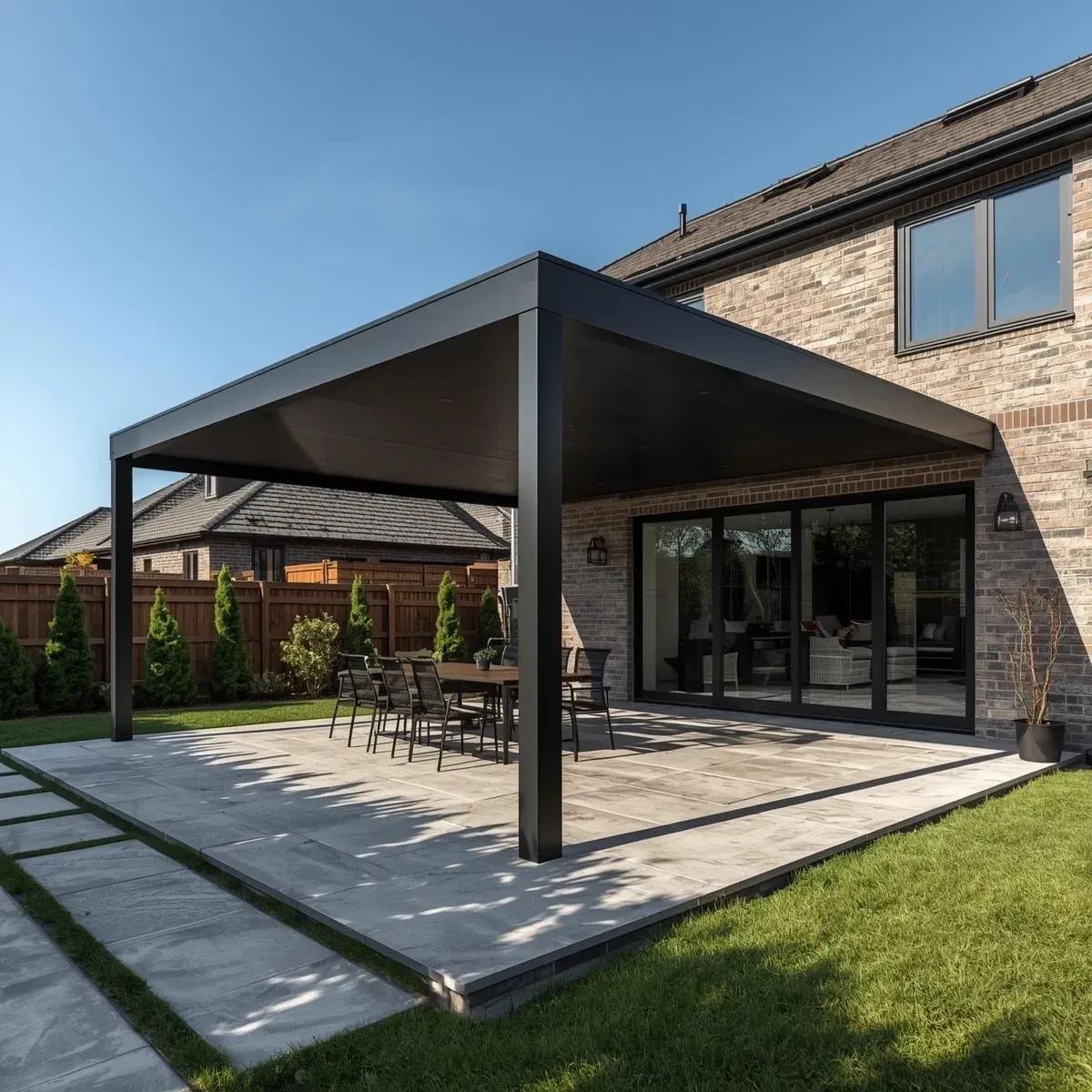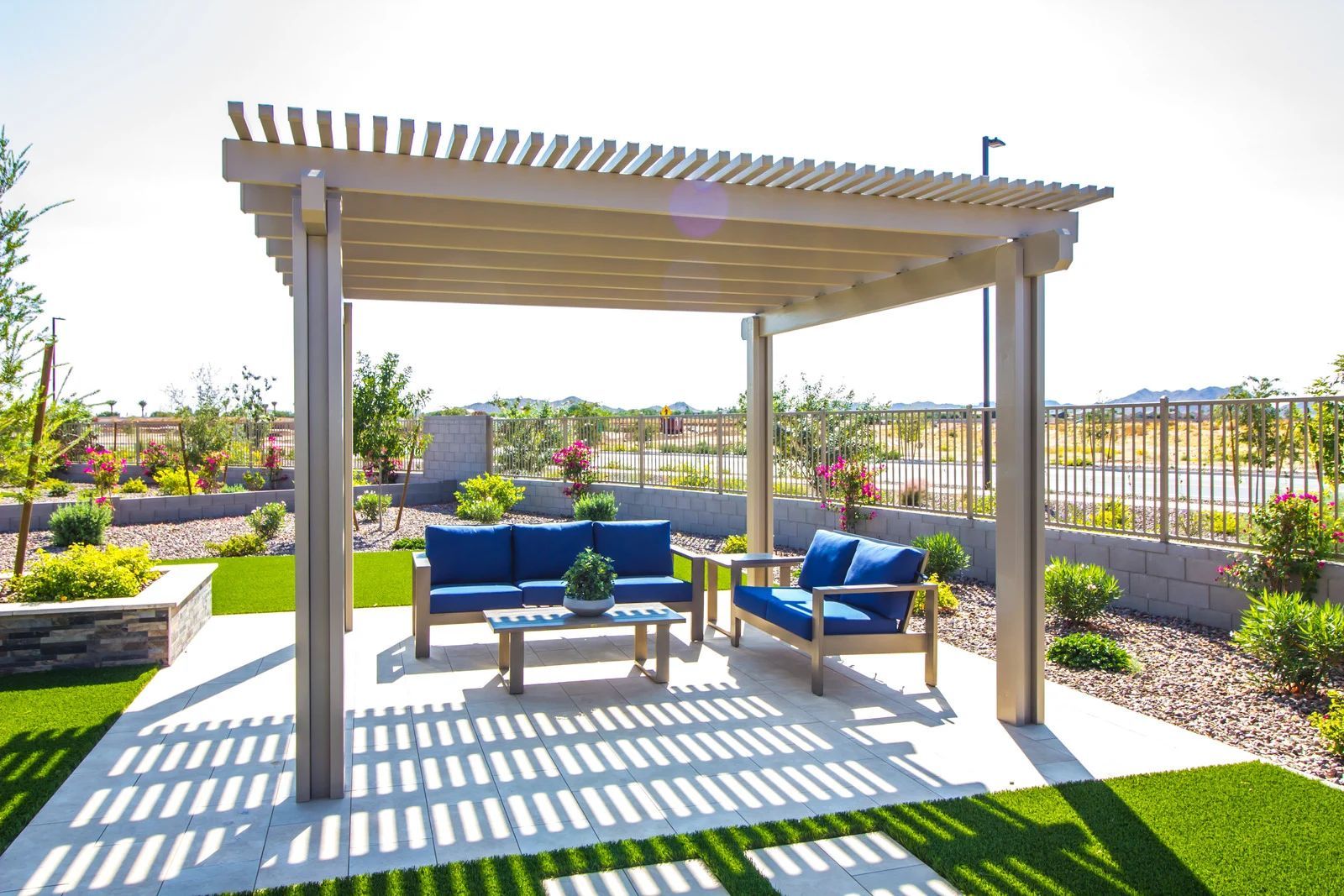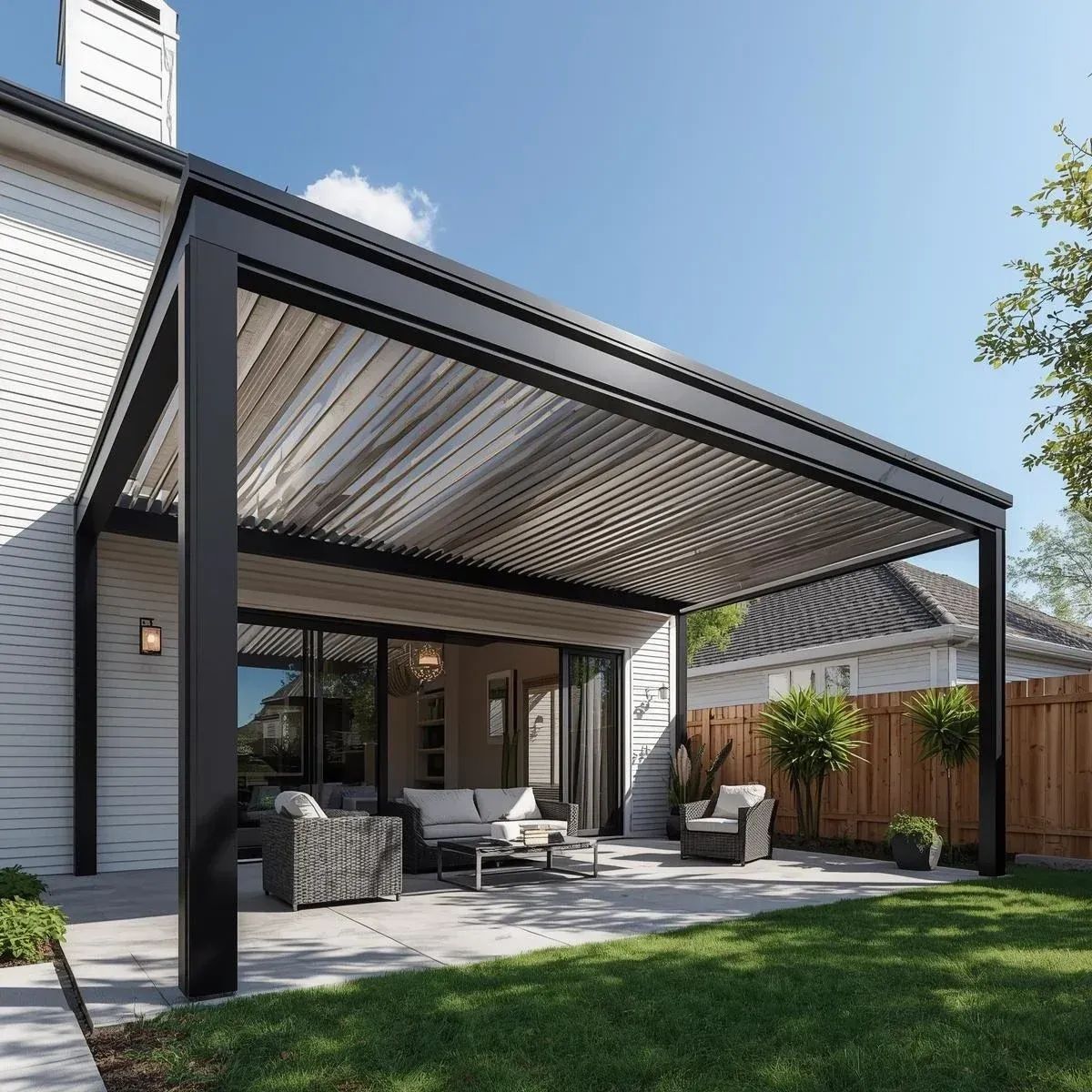
Step-by-Step Guide to Professional Patio Cover Installation for Long-Lasting Results
A professionally installed patio cover is more than an outdoor structure; it is a long-term investment in comfort, durability, and property value. Homeowners and contractors increasingly prioritize patio covers as outdoor living continues to evolve into a functional extension of indoor space. A well-designed installation not only enhances aesthetics but also provides essential protection from harsh sunlight, rain, and seasonal weather fluctuations. It also improves usable outdoor space, allowing year-round comfort and better lifestyle functionality. When executed correctly, it significantly increases the overall appeal and value of a property. It can also contribute to improved energy efficiency by reducing direct heat exposure to adjacent indoor areas.
Proper installation plays a critical role in ensuring structural stability and long-lasting performance. Poor planning or incorrect execution can lead to water leakage, weak anchoring, premature wear, and costly repairs. Understanding each phase of installation helps achieve both strength and visual appeal while maintaining safety standards and compliance with building requirements. It also reduces long-term maintenance issues and enhances overall structural reliability. Attention to detail at every stage ensures the system performs efficiently under different weather conditions. Regular inspection during and after installation further ensures adherence to quality and building codes.
Professional patio cover installation requires careful preparation, material selection, structural alignment, and finishing techniques that work together to deliver a durable outcome. Whether the structure is attached or freestanding, precision at every step determines long-term success. This guide outlines a clear, step-by-step approach to installing patio covers with professional quality standards, ensuring maximum durability, functionality, and design integrity for residential and commercial outdoor spaces. It also emphasizes best practices that help achieve consistent performance, improved safety, and long-lasting structural value. Additionally, customization based on climate and usage needs ensures optimal performance and user satisfaction over time.
Section 1: Planning and Site Assessment
Understanding Space Requirements
Every successful patio cover installation begins with accurate planning. The available outdoor space must be measured carefully to determine dimensions, layout, and structural feasibility. This step ensures proper coverage without overwhelming the surrounding architecture and helps avoid costly redesign issues later. Proper measurement also supports material estimation, structural balance, and an efficient installation workflow for long-term durability and performance.
Evaluating Ground and Structural Conditions
A stable foundation is essential for durability. Soil conditions, slope levels, drainage flow, and existing concrete surfaces must be evaluated before installation begins. Weak or uneven ground can compromise long-term stability and lead to structural shifting over time. Proper assessment ensures load distribution, minimizes risks, and supports a safe and reliable patio cover installation in all weather conditions, ensuring lasting structural performance.
Design Alignment with Property Structure
The patio cover must align with the home or building structure in terms of height, slope, and attachment points. Proper alignment ensures balanced load distribution and prevents future structural strain or misalignment issues. Careful design integration also improves visual harmony, enhances durability, and supports long-term stability of the entire outdoor installation system while maintaining architectural consistency throughout the construction process.
Section 2: Material Selection and Structural Design
Choosing Durable Materials
Material selection directly impacts lifespan and maintenance requirements. Aluminum, steel, and treated wood are commonly used due to their strength and weather resistance. Each material offers distinct benefits depending on environmental conditions such as heat, humidity, or rainfall. Choosing the right material ensures long-term durability, reduces repair needs, and supports a strong and reliable patio cover structure built for demanding outdoor conditions.
Load-Bearing Considerations
Structural integrity depends on selecting beams, posts, and connectors that can withstand wind pressure, rainfall, and potential snow loads. Engineering calculations ensure safety compliance and adherence to building standards. Proper load-bearing design prevents sagging, structural failure, and long-term damage, ensuring the patio cover remains secure, stable, and capable of handling environmental stress effectively while maintaining engineered precision across all installation phases.
Design Customization for Functionality
Modern patio covers often incorporate insulation layers, UV-resistant roofing panels, and ventilation features. These enhancements improve comfort while extending the structure’s durability under continuous exposure to sun, wind, and rain. Functional customization allows better temperature control, energy efficiency, and usability, making outdoor spaces more comfortable and practical throughout changing seasons and weather conditions, optimized for long-term residential and commercial performance.
Section 3: Foundation Preparation and Structural Setup
Marking Layout and Anchor Points
Precise marking of post locations ensures correct alignment and spacing. Measurements must be double-checked to prevent structural imbalance during assembly. Accurate layout planning reduces installation errors, improves load distribution, and ensures long-term stability of the patio cover framework. Careful attention at this stage minimizes rework, supports precise engineering execution, and establishes a strong foundation for efficient construction and reliable performance.
Installing Base Supports
Concrete footings or anchor bolts provide essential grounding for the structure. Proper curing time for concrete is critical to ensure maximum strength before proceeding with framing. Secure base supports prevent shifting, enhance load stability, and improve long-term structural reliability under varying environmental conditions, ensuring consistent performance, reduced maintenance needs, and enhanced durability across all installation environments and seasonal weather conditions.
Erecting Vertical Posts and Framework
Posts must be installed vertically and secured firmly to maintain load stability. Horizontal beams are then attached to create the primary framework, forming the base structure of the patio cover. Proper alignment during assembly ensures structural strength, balance, and long-term durability under external pressure. This stage defines overall system integrity and determines long-term performance reliability under continuous environmental stress.
Section 4: Roof Installation and Weatherproofing
Installing Roof Panels or Beams
Roofing installation varies depending on design type. Panels, shingles, or solid roofing sheets must be installed with precise overlap to ensure complete coverage and alignment. Proper installation techniques prevent gaps, leaks, and structural weaknesses, ensuring long-lasting protection against weather exposure. Careful execution ensures structural consistency, improved durability, and resistance against harsh environmental conditions while maintaining architectural precision throughout installation.
Ensuring Proper Slope for Drainage
A slight slope is essential to allow rainwater to flow naturally away from the structure. Poor drainage design can result in water pooling and long-term damage. Proper slope engineering enhances water management, prevents structural deterioration, and improves overall patio cover longevity and performance. Effective grading techniques ensure efficient runoff control, reduce maintenance issues, and support consistent structural integrity across all conditions.
Sealing and Waterproofing Techniques
All joints, edges, and connection points must be sealed using weather-resistant materials. This prevents leakage, reduces moisture buildup, and extends structural lifespan. Effective waterproofing safeguards the patio cover against rain, humidity, and temperature fluctuations over time. Advanced sealing practices enhance durability, prevent structural damage, and ensure long-term resistance against environmental stress while maintaining performance efficiency across seasonal variations.
Section 5: Finishing, Safety Checks, and Final Inspection
Surface Finishing and Coating
Protective coatings, paints, or powder finishes enhance resistance against rust, UV exposure, and environmental wear. A well-finished surface also improves visual appeal and long-term durability. Proper finishing techniques ensure the patio cover maintains strength, protection, and aesthetic quality over time. High-quality finishing processes contribute to extended service life, reduced maintenance requirements, and improved resistance against harsh environmental conditions.
Structural Safety Inspection
Every joint, anchor, and support beam must be inspected for stability. Load testing ensures the structure can withstand environmental stress without movement or deformation. Thorough inspection guarantees safety compliance, structural integrity, and long-term reliability of the patio cover system. Systematic evaluation ensures performance consistency, minimizes risks, and confirms that durability standards are met for safe long-term outdoor usage.
Long-Term Maintenance Planning
Routine inspections help identify early signs of wear, corrosion, or loosening. Scheduled maintenance extends the life of the patio cover and maintains its safety and appearance. Consistent upkeep ensures long-term durability, reduces repair costs, and preserves structural performance under changing environmental conditions. Preventive maintenance strategies enhance longevity, improve reliability, and ensure consistent performance across all seasonal outdoor usage scenarios.
Trusted Experts Delivering Durable Patio Cover Installations
A professional patio cover installation requires precision at every stage, from planning and material selection to structural assembly and final waterproofing. Each step contributes directly to durability, safety, and long-term performance. Proper execution ensures the structure remains stable under varying weather conditions while enhancing outdoor usability and aesthetic value. A well-built patio cover is not only a functional addition but also a long-term enhancement to any property. Careful attention to detail and adherence to installation standards significantly reduce maintenance needs and improve lifespan.
At Black Rock Patio Covers, every installation is approached with precision engineering, premium craftsmanship, and a commitment to long-term performance. Specializing in Premium Patio Covers, our work reflects a deep understanding of outdoor structural design and environmental durability requirements. With 20+ years of experience in San Antonio, Texas, our focus remains on delivering patio cover solutions that combine strength, elegance, and functionality. Each project is executed using proven installation methods, high-grade materials, and advanced structural techniques that ensure lasting results in demanding weather conditions.
Our approach emphasizes accuracy in measurement, structural integrity, and weather-resistant finishing to ensure every patio cover performs reliably for years. From initial design planning to final inspection, every stage is handled with strict quality control standards and professional execution. We are committed to building outdoor spaces that enhance lifestyle comfort while increasing property value. Every project reflects a balance of engineering excellence and aesthetic refinement, ensuring long-term satisfaction and durability.