Insulated vs Standard Aluminum Patio Covers: What's the Difference
How Wood Patio Covers Age
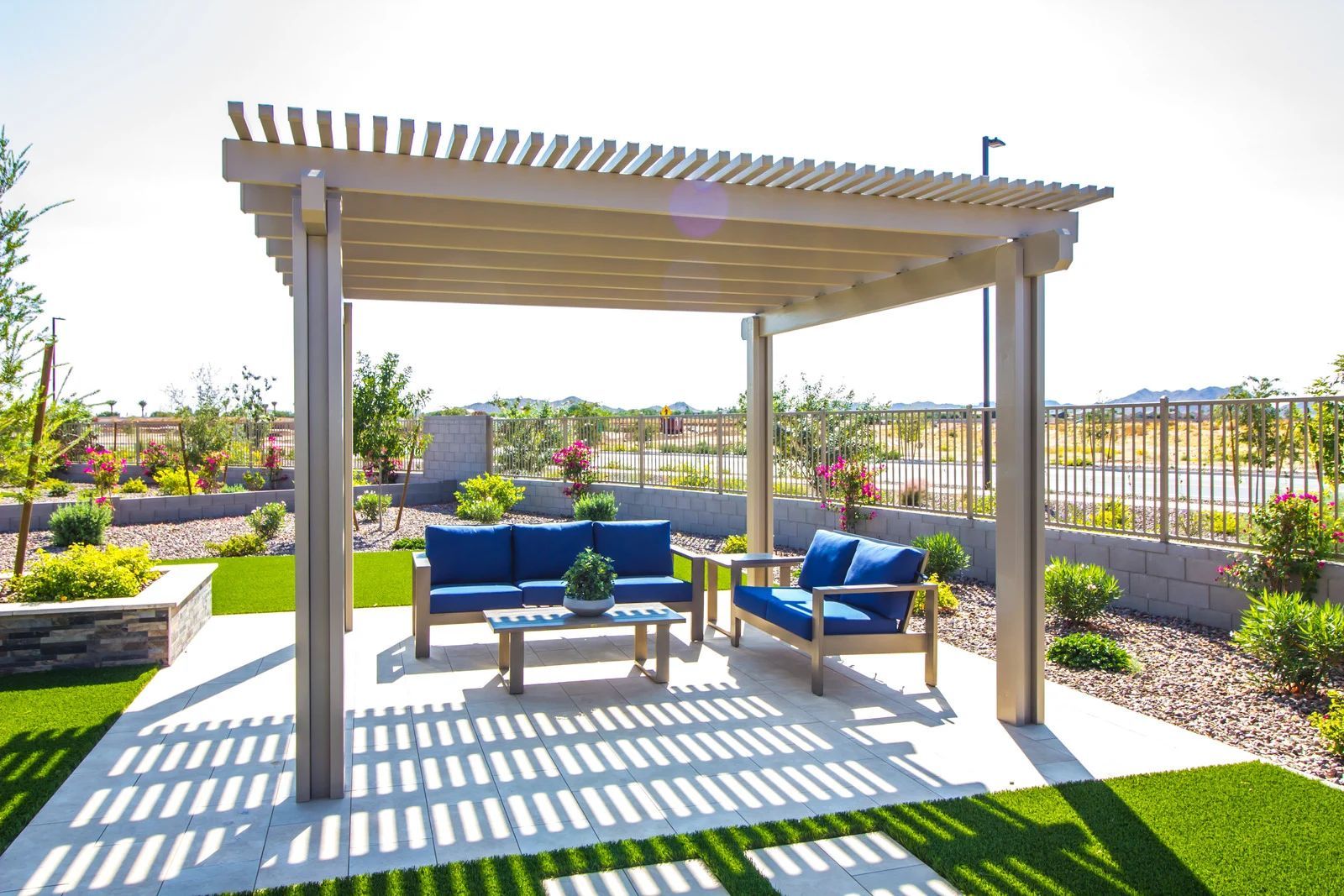
Start by mapping out where you actually spend time outside — not where you think you should, but where the grill, the seating, and the conversations happen now. If that's clustered right behind the house, an attached cover is likely your answer. If it's spread across a pool deck, a separate kitchen, or a detached lounge area, freestanding gives you the flexibility to shade that space directly.
From there, walk your property with a few practical questions in mind: Is there clean wall space to attach to? Does your roofline allow for a clean tie-in? Is the space you want to shade close to the house or out in the yard? Answering those questions truthfully points you toward the right layout faster than comparing photos online ever will.
How to Decide for Your Backyard
Quick Answer: A standard aluminum patio cover uses a single layer of formed aluminum roofing, while an insulated cover sandwiches a foam core between two aluminum skins, typically in thicknesses of three to six inches. That foam core slows the heat that radiates down from a hot roof surface, and homeowners who compare the two side by side commonly report the space underneath an insulated cover running 10 to 20 degrees cooler on a summer afternoon. The insulated panel also dampens rain noise and, because it's rigid and structural, can support a ceiling fan or recessed lighting directly — something a standard panel generally can't do on its own. A standard cover still blocks direct sun and works well for a carport, side yard, or space you pass through rather than sit under for hours.
Walk out onto a covered patio at 4 p.m. in August and put your hand up near the ceiling. Under a standard aluminum roof, you'll feel warmth radiating down even though you're standing in full shade. The metal above you has been soaking up sun all day, and now it's giving it back. Under an insulated cover, that same spot at that same hour feels different. Nothing above you is broadcasting heat into the space.
That one difference is usually what separates a patio cover people actually use through a San Antonio summer from one they duck under just long enough to reach the grill. Color and brand rarely make that call. The roof panel does.
Two Roof Panels, Two Different Jobs
Both cover types share the same posts, beams, and fascia. The difference lives entirely in the roof panel, and it changes what the structure can do for you.
Standard Aluminum Panels Are A Single Layer
Standard aluminum panels use one formed sheet, typically shaped into interlocking ribs or a pan profile for rigidity. They block sunlight and shed rain, but heat transfers directly through the single aluminum layer underneath alone.
Insulated Panels Sandwich A Foam Core Between Two Skins
Insulated panels place a rigid foam core, commonly three to six inches thick, between two aluminum skins. The foam slows heat transfer, adds rigidity for light maintenance, and can support fixtures without additional blocking added.
The Ceiling Finish Looks Different Too
Ceiling appearance differs between the two options. Standard panels show visible ribs or seams underneath, creating a lined, corrugated look. Insulated panels usually provide a flatter, planked appearance resembling a finished interior ceiling below.
How Much Cooler an Insulated Cover Really Feels
The comfort difference comes down to a simple idea: insulation slows how fast heat moves through a material. A higher-resistance material keeps more of that heat from ever reaching the space underneath.
That resistance is measured as R-value. The U.S. Department of Energy's ENERGY STAR program defines R-value as a material's ability to resist heat traveling through it. The higher the number, the more heat stays put instead of radiating into your patio.
A single layer of aluminum has almost no resistance on its own — it conducts and re-radiates heat fast. Add a foam core and that resistance jumps. Installers who've compared both structures side by side see the same pattern every time: the space under an insulated cover runs roughly 10 to 20 degrees cooler than the same footprint under a standard panel, on a hot, sunny afternoon.
Afternoon highs in Central Texas summers routinely sit in the mid-90s and can push past 100. That gap — 10 to 20 degrees — is the difference between a patio that's technically shaded and one you'd actually sit under for a few hours.
An insulated cover does something else a standard panel can't. It takes pressure off the rooms it's attached to. Shading a wall or a set of windows already cuts down on direct solar heat gain. An insulated roof goes a step further and reduces how much of that heat radiates toward the house in the first place, which can ease the load on an air conditioner working to keep an adjacent room comfortable on a long summer afternoon.
Noise, Structural Strength, and What Each Panel Can Support
Heat control gets most of the attention, but the two panel types perform differently in a few other ways that matter once the structure becomes part of your daily routine.
Rain Sounds Different Overhead
Standard aluminum panels amplify rain into steady drumming that can drown out conversation during downpours. Insulated panels use foam to absorb sound energy, making rain sound noticeably softer underneath during storms.
Fixture Support Depends On The Panel
Insulated panels are rigid enough to support certain fixtures directly, including ceiling fans and recessed lighting. Standard panels usually require separate beams or added blocking above for comparable fixture support and stability.
Walkability Differs Too
Insulated covers generally allow light foot traffic for cleaning and routine upkeep because of their rigidity. Standard panels are not designed as work surfaces and should not be walked on.
TIP: If a ceiling fan, recessed lighting, or a wired heater is part of the plan, lay out fixture locations before the roof panel goes on. Wiring and blocking are far easier to build in during installation than to retrofit into a finished cover afterward.
Span capability runs the other direction, though. A standard panel's ribbed profile resists bending well on its own, which lets it clear-span slightly wider openings with fewer support posts than an insulated panel of comparable width usually allows. For a wide attached cover where minimizing posts matters, weigh that against the comfort gain an insulated roof provides.
Matching the Cover to San Antonio's Climate
Bexar County and the surrounding Hill Country bring a specific mix of conditions that make this decision less about preference and more about how the space will actually get used.
Humidity Changes How Heat Feels
San Antonio's combination of high heat and humidity means a shaded space that's still radiating warmth from above can feel muggier than the temperature alone suggests. Cutting that radiant heat with an insulated panel makes a bigger comfort difference here than it would in a drier climate.
Storm Season Puts Materials To The Test
Spring and fall bring the region's most active severe weather, hail included. Whichever panel type you choose, look for aluminum construction rated to handle wind-driven rain and hail impact without denting or losing its finish. A cover exposed to the elements year-round needs to hold up to more than sunshine.
Warning: Not every insulated or standard panel on the market carries the same hail and wind rating. Ask about the specific panel's tested performance rather than assuming "aluminum" alone means storm-ready, especially if the cover sits in an open, unshielded part of the yard.
Central Texas patios get used well past peak summer. An insulated cover holds a steadier temperature underneath, and that pays off across more of the calendar than it would in a place with a shorter outdoor season.
Deciding Which One Fits Your Backyard
The right answer depends less on which panel is objectively better and more on how the covered space fits into daily life.
How You'll Use The Space Matters Most
A patio cover over dining, outdoor kitchens, or lounge areas benefits most from insulation. Side yards, equipment areas, and walkways used briefly may not require comparable thermal performance for comfort.
Sun Exposure And Orientation Shift The Math
West- or south-facing patios with little shade benefit most from insulation because they receive stronger afternoon sun. Shaded patios or east-facing spaces generally experience less noticeable difference from insulation throughout the day.
Fixture Plans Push The Decision Toward Insulated
If ceiling fans, recessed lighting, or a finished ceiling are planned, insulated panels usually accommodate these features with less additional structure than retrofitting them onto a standard aluminum roof afterward.
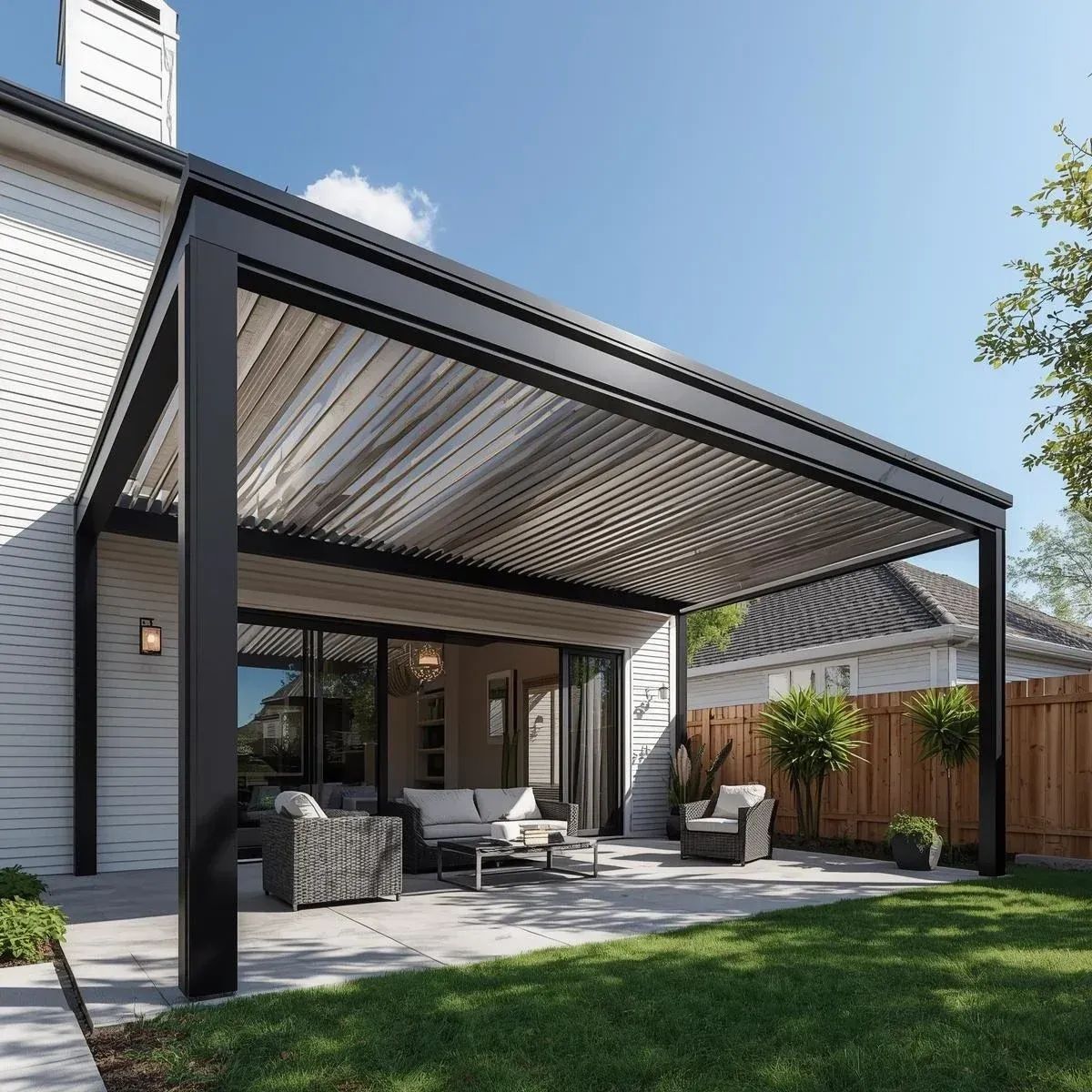
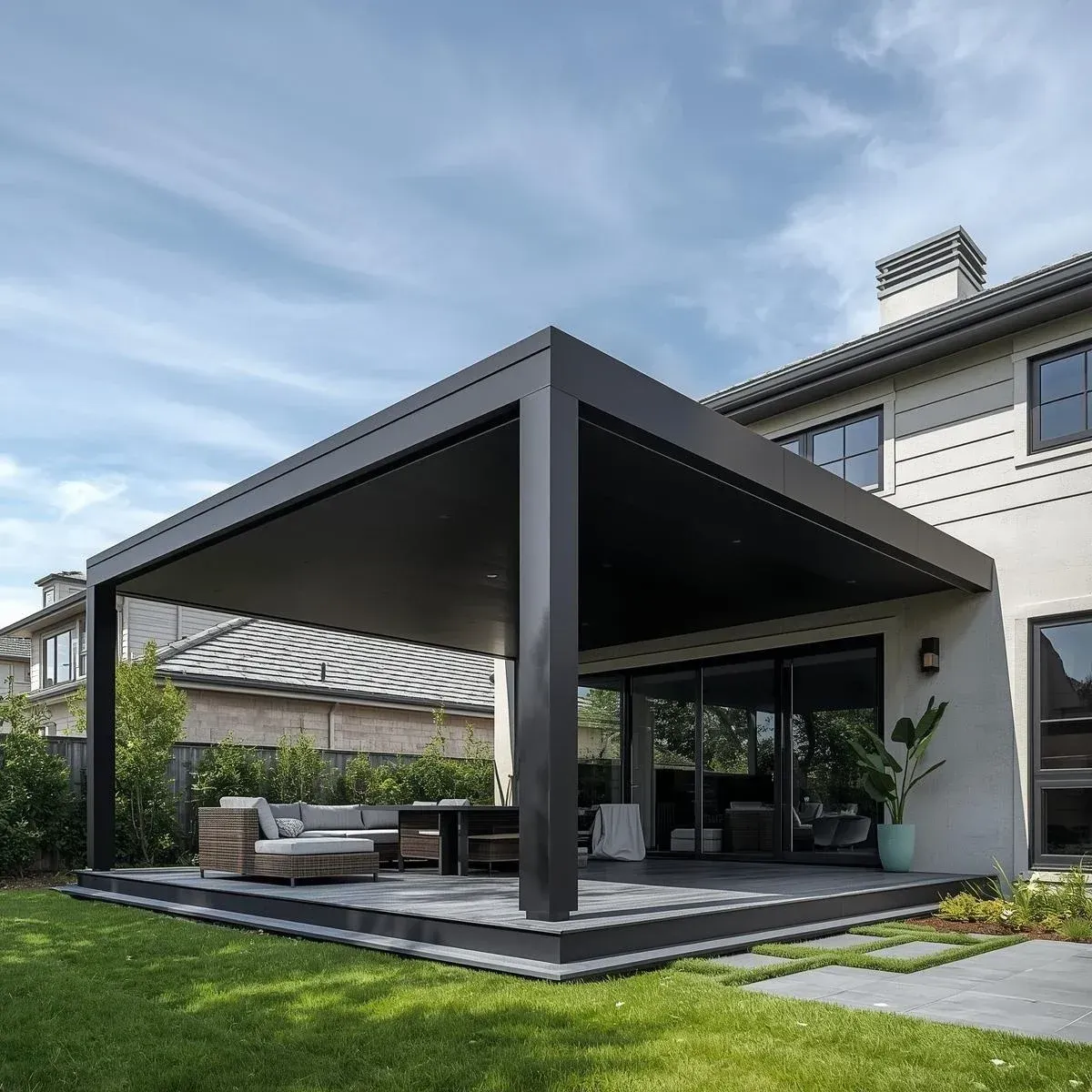
Attached versus freestanding plays a role too — a cover attached directly to the home, especially one that shares a wall with a bedroom or living area, gets more benefit from an insulated panel's noise and heat reduction than a freestanding structure set apart from the house.
Frequently Asked Questions
Can I retrofit insulation onto an existing standard aluminum patio cover?
No, not by adding foam beneath an existing single-skin panel. Insulated roofs are engineered as one unit, so replacing the panels with a true insulated system works better than retrofitting.
Does an insulated patio cover actually cut down rain noise?
Yes, the foam core inside an insulated panel absorbs sound energy a standard single-skin panel can't, so rain reads as a softer, muted patter instead of a loud, steady drum.
Are insulated panels strong enough to support a ceiling fan or lighting?
Generally yes. An insulated panel's rigid foam core and dual aluminum skins carry a direct-mount ceiling fan or recessed lighting easily, while standard panels usually need an added fan beam.
Does an insulated patio cover reduce indoor cooling needs in summer?
It can help. Blocking direct sun from windows and walls, while reducing heat radiating from the roof, eases solar heat gain and lightens the air conditioner's load on hot afternoons.
Can you tell an insulated panel apart from a standard one just by looking at it?
From the ground, both can look similar. The real difference shows up underneath, an insulated panel has a flatter, planked ceiling, while a standard panel shows visible ribs or seams.
How do I decide between insulated and standard if my patio faces west?
West-facing patios take the hardest hit from afternoon sun, exactly what insulated panels handle best. If the space sees regular late-afternoon or evening use in summer, insulated is worth it.
Choosing the Cover That Matches How You Live
Black Rock Patio Covers has spent 20 years helping homeowners in San Antonio, TX match roof panels to how their backyards get used, not just how they look from the driveway. An insulated and a standard aluminum cover can appear nearly identical at first glance, both blocking sun and shedding rain without complaint. The real difference shows up once you're standing underneath on a July afternoon or sitting through a thunderstorm, when heat, noise, and structural capacity start to matter.
Matching that performance to how the space will actually be lived in, not to whichever panel sounds more premium, is what turns a patio cover into something a household spends time under rather than a structure that just sits there looking finished. Sun exposure, fixture plans, and how the cover attaches to the house finally point toward one clear answer. Once those details are clear, the choice between insulated and standard stops feeling like a guess and starts feeling obvious.