Louvered vs Solid Patio Covers: Which Fits Your Backyard
How Wood Patio Covers Age
Quick Answer: In a louvered vs solid patio cover matchup, your choice comes down to how much you want to change your outdoor space day to day. A louvered cover uses tilting slats that open for sun and breeze or close into a sealed roof for full shade and rain protection. A solid cover is one fixed panel that blocks sun and rain the same way all the time, which keeps things simple and quiet. Louvered systems give you control and airflow. Solid systems give you fewer moving parts and steady, all-day shade. The rest of this guide helps you match one to your backyard and the way you actually live outside.
By mid-morning in a San Antonio summer, your patio stops being a place you sit and becomes a place you walk past. The slab bakes. The furniture gets too hot to touch, and the only shade left is a thin strip against the house wall. A good cover fixes that, but the first real fork in the road is not color or size. It is the roof itself: slats you can tilt and close, or a solid panel that stays put. That one call shapes how the space feels in July, how it holds up in a Hill Country downpour, and how much you fuss with it for the next twenty years.
What Sets Louvered and Solid Patio Covers Apart
Both covers shade your patio and stretch your living space outdoors. They just take different roads to get there.
Adjustable slats vs a fixed roof
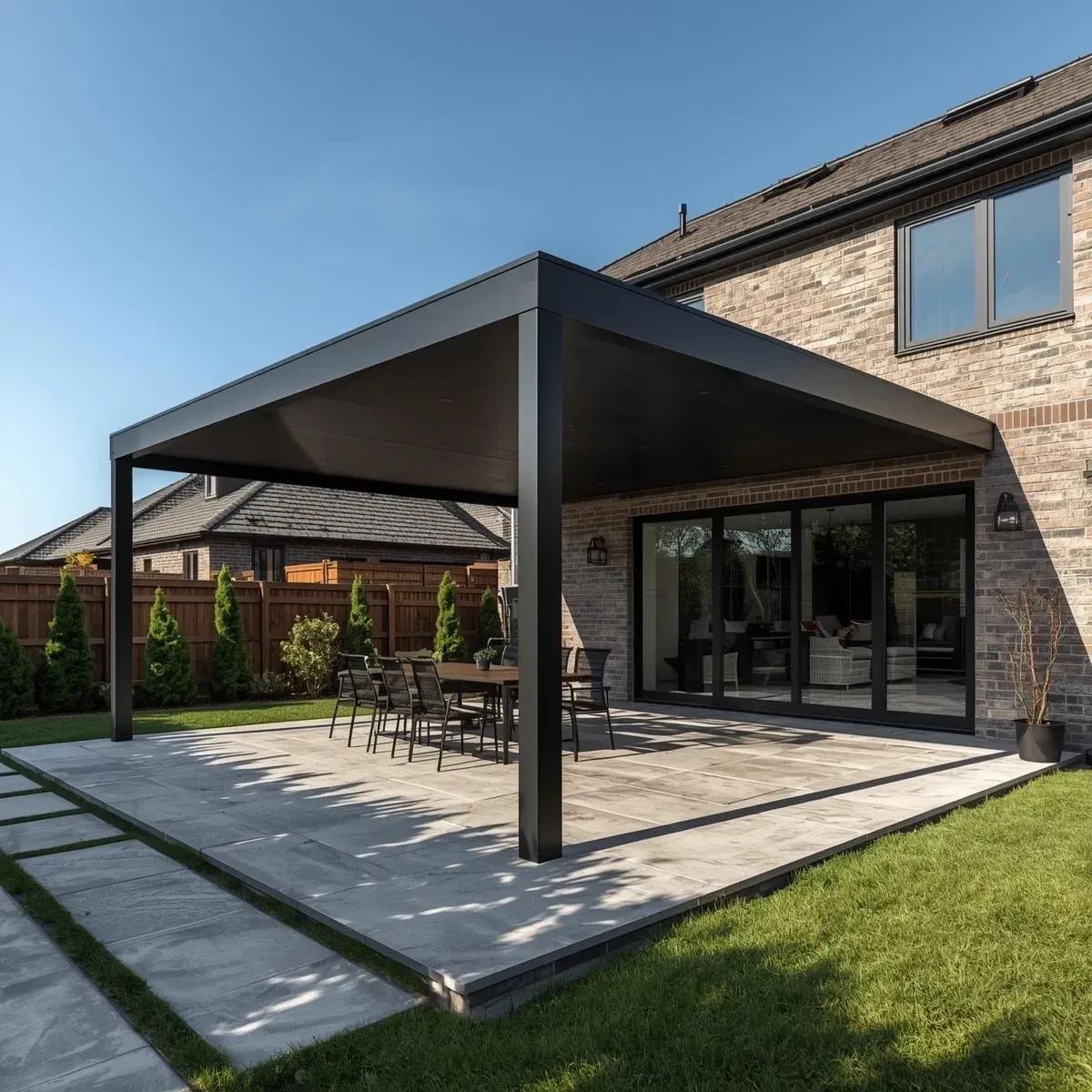
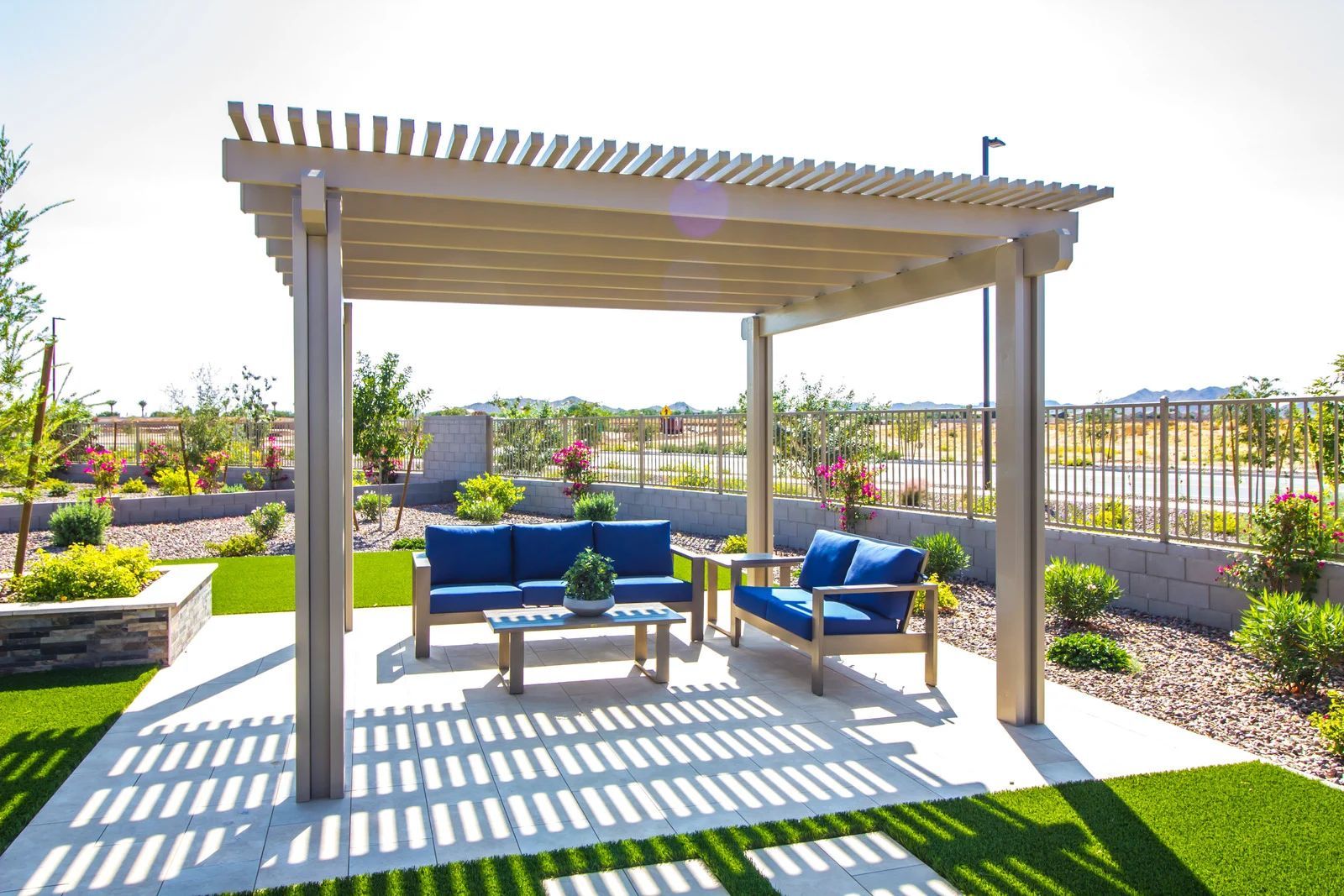
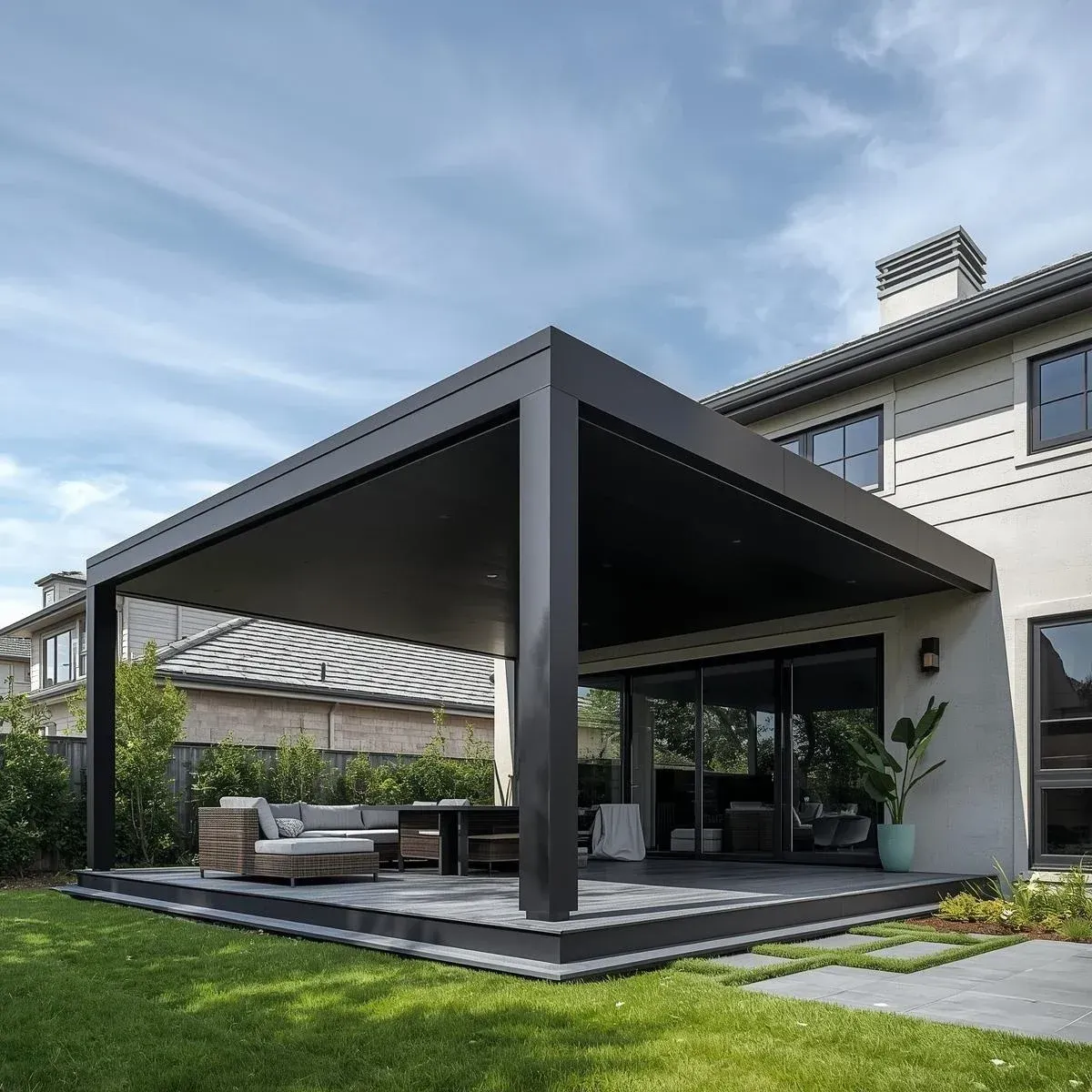
A louvered cover is built from aluminum slats, called louvers, that pivot on a track. Tilt them open for light and air, angle them halfway for filtered shade, or close them tight into a sealed roof. A solid cover is one continuous panel that never moves. What goes up on install day is exactly what you get every day after.
Control vs consistency
Louvers are about control. You decide, hour by hour, how much sun lands on the patio. A solid roof is about consistency. Same deep shade at 9 a.m. or 6 p.m., with nothing to think about.
Moving parts vs none
A louvered system has a rotation mechanism, and most add a motor, a remote, and gutters that run water down through the posts. A solid cover skips all of it. It is a roof, plain and simple, so there is almost nothing to adjust or service down the line.
Neither one wins on paper. The right pick is the one that matches your yard and your habits.
How Each Handles the Texas Sun and Heat
South Texas sun runs hard from late spring into fall, so heat is where most homeowners feel the split.
Louvered: dial the light up or down
Because the slats tilt, you can crack them open in the cool of the morning for warm light, then shut them at noon to block the harsh overhead glare. On a mild winter afternoon, open them all the way and let sun pour straight onto the patio. It is about as close as you get to a roof and open sky in the same frame.
Solid: steady, deep shade all day
A fixed panel blocks direct sun from the minute it goes up. During a long run of triple-digit afternoons, that unbroken shade is a real perk, since the patio never gets a hot hour. The catch is that the space stays dark even when you might have wanted a little sun, and a fixed roof in a deep color can hold warm air underneath if nothing is moving it.
Insulated solid panels for the worst heat
A solid cover can be built with an insulated core, which cuts the heat that radiates down through the roof and keeps the area below noticeably cooler. Love the simplicity of a fixed roof but dread a stuffy patio in August? An insulated panel closes most of that gap.
TIP: If your patio faces west and takes the full afternoon sun, think hard about which hours you use it. Evening entertainers usually lean solid or insulated for guaranteed shade. Morning-coffee-and-afternoon-reading types tend to love the tilt of louvers.
Rain, Storms, and Drainage
Hill Country weather can flip from clear sky to a heavy cell in under an hour, and spring hail is no joke. How each roof sheds water matters here.
Louvered: closed for rain, open for dry days
Close the louvers and a good system interlocks into a watertight surface, then routes the runoff into built-in gutters that carry it down through the posts and away from the slab. So you keep the patio dry through a storm and open everything back up the moment the sun returns. You are not stuck sitting under a permanent roof on all the pretty days in between.
Solid: always ready for the downpour
A solid cover never needs closing because it is already sealed. A surprise storm blows in while you are at the grill, and you keep grilling. No remote to hunt for, no slats to rotate. During the fast, hard storms this region throws at you, that is a quiet kind of comfort.
Durability against wind and hail
Built from heavy-gauge aluminum and anchored right, both covers shrug off Texas wind and hail far better than wood or fabric. Aluminum will not rot, and it resists the rust and warping that storms beat into weaker materials. The one real difference: a louvered system has a mechanism you keep in good working order, while a solid roof gives you a single fixed surface to check.
Airflow and Comfort Under the Roof
Shade is only half of feeling comfortable. The other half is moving air, and this is where the two designs part ways hard.
Louvered: ventilation built in
Angle the slats and you open a path for hot air to rise and slip out while a breeze filters through. On a sticky evening, that airflow can drop the feel of the patio by several degrees below what the thermometer says. Cooking out there? The venting also pulls grill heat and smoke up and away.
Solid: bring in fans to move the air
A solid roof traps still air underneath unless you help it along. That is why so many fixed covers pair with an outdoor ceiling fan, which pushes the warm pocket of air down and keeps the space breathing. With a fan going, a solid cover feels fine through the hottest stretch of the day. Without one, a dead-still afternoon under it can feel close and heavy.
Read your yard before you decide. A backyard that already catches a cross breeze lets a louvered cover shine. A patio boxed in between the house and a fence will want fans no matter which roof you pick.
Matching the Cover to How You Use the Backyard
The cleanest way to settle the louvered vs solid patio cover question is to picture a normal week outside.
Lean louvered if you want flexibility
You like reworking the space through the day, you chase morning sun and afternoon shade, you want a breeze on humid nights, and you like closing a roof for a storm and popping it back open after. You are fine having a mechanism, maybe motorized, in trade for that control.
Lean solid if you want simplicity
You want dependable, deep shade with nothing to operate. You value a quiet roof with the fewest moving parts, and you would rather add a fan and some lights to a fixed ceiling than manage tilting slats. Set it, forget it, always ready for sun or rain.
Warning: Do not decide from a showroom photo alone. A louvered cover shot with the slats wide open looks bright and airy, but you will spend real Texas afternoons with them closed against the sun. Ask to see each cover in its everyday working position for this climate, not just its prettiest one.
Here is the honest long view. Both aluminum covers last many years in the Texas climate with little upkeep. The louvered system asks for a bit of attention to its moving parts. The solid system asks for almost nothing beyond a rinse. I have watched plenty of homeowners talk themselves into features they never end up using, so weigh how much hands-on control is truly worth to you against the appeal of a roof you never think about again.
Frequently Asked Questions
Is a louvered patio cover worth it over a solid one in hot climates?
It can be. Tilting slats vent hot air and control direct sun hour by hour, which many value through long Texas summers. But a solid cover with an insulated panel and fan stays plenty comfortable.
Do louvered covers leak when the slats are closed?
A well-built system interlocks into a sealed surface when closed, sending runoff into gutters that run down through the posts. Correct alignment keeps it watertight, so who installs it matters as much as the product.
Which cover needs less maintenance, louvered or solid?
Solid, usually. With no moving parts, upkeep is mostly occasional rinsing to wash off dust and pollen. A louvered cover has a rotation mechanism, often a motor, benefiting from periodic checks that keep it smooth.
Can a solid patio cover feel too dark or stuffy?
It can, if the space gets no airflow. A fixed roof holds still air and blocks light all day. Two fixes handle it: add a ceiling fan, and choose a lighter finish or insulated panel.
Which is better for a covered outdoor kitchen?
Louvers have the edge for a grill area, since you can open the slats to vent heat and smoke while cooking, then close them for a shower. A solid cover works too, always staying dry.
Finding the Roof That Fits Your Weekends
The louvered vs solid patio cover call really lands on one question: do you want a roof you run, or a roof you never have to think about. Louvers hand you the dials for sun, shade, and airflow, so the space shifts with the day and the season. A solid cover gives you dependable, all-day shade and a quiet, room-like retreat with next to nothing to maintain. Built well in aluminum, either one stands up to South Texas heat, sudden storms, and the odd round of hail for years on end.
Picture a shaded, comfortable backyard you can enjoy from a hot July morning to a rainy fall evening, with a cover matched to how you actually live outside. Black Rock Patio Covers
designs and installs both
louvered and solid patio covers, using durable materials chosen for the San Antonio, Texas climate and drawing on 20
years of custom outdoor-living experience to help you weigh adjustable control against low-maintenance simplicity for your exact yard. Reach out to Black Rock Patio Covers
to schedule your design consultation and start planning the right roof for your backyard.