Aluminum vs Wood Patio Covers: Which One Delivers Better Value Over Time
It is the middle of another scorching afternoon, and you are standing on your back patio squinting at the empty spot where a cover should go. The slab throws heat up at you. The hour or two you get out here before the sun drives you inside feels wasted. You have looked at two paths, a warm natural wood structure or a clean aluminum one, and every quote seems to point a different direction. The question underneath all of it is simple. Which one will still be doing its job in fifteen years without turning into a chore?
Here is the honest answer most people do not hear up front. Both materials can shade a patio beautifully on day one, so the comparison of aluminum vs wood
patio covers is rarely about how they look that first week. The difference shows up slowly, in how each holds its shape, its finish, and its strength through years of heat, sudden storms, and the occasional hard freeze. Wood rewards you with character and flexibility. Aluminum rewards you with years of being left alone. After building and servicing both kinds across this region, the pattern we see is consistent, and it has almost nothing to do with how the cover looks the day it goes up.
The Question Is Value Over Time, Not Day One
Value over time comes down to four things: how long the structure lasts, how much upkeep it asks of you, how well it shrugs off heat and moisture, and how good it still looks in year ten. Wood scores high on warmth and on the freedom to customize, but it wants steady maintenance in return. Aluminum scores high on lifespan and low upkeep while giving up some of that natural look. For most patios in this climate, aluminum pulls ahead on long run value, though wood still wins for certain homes and certain owners.
How Wood Patio Covers Age
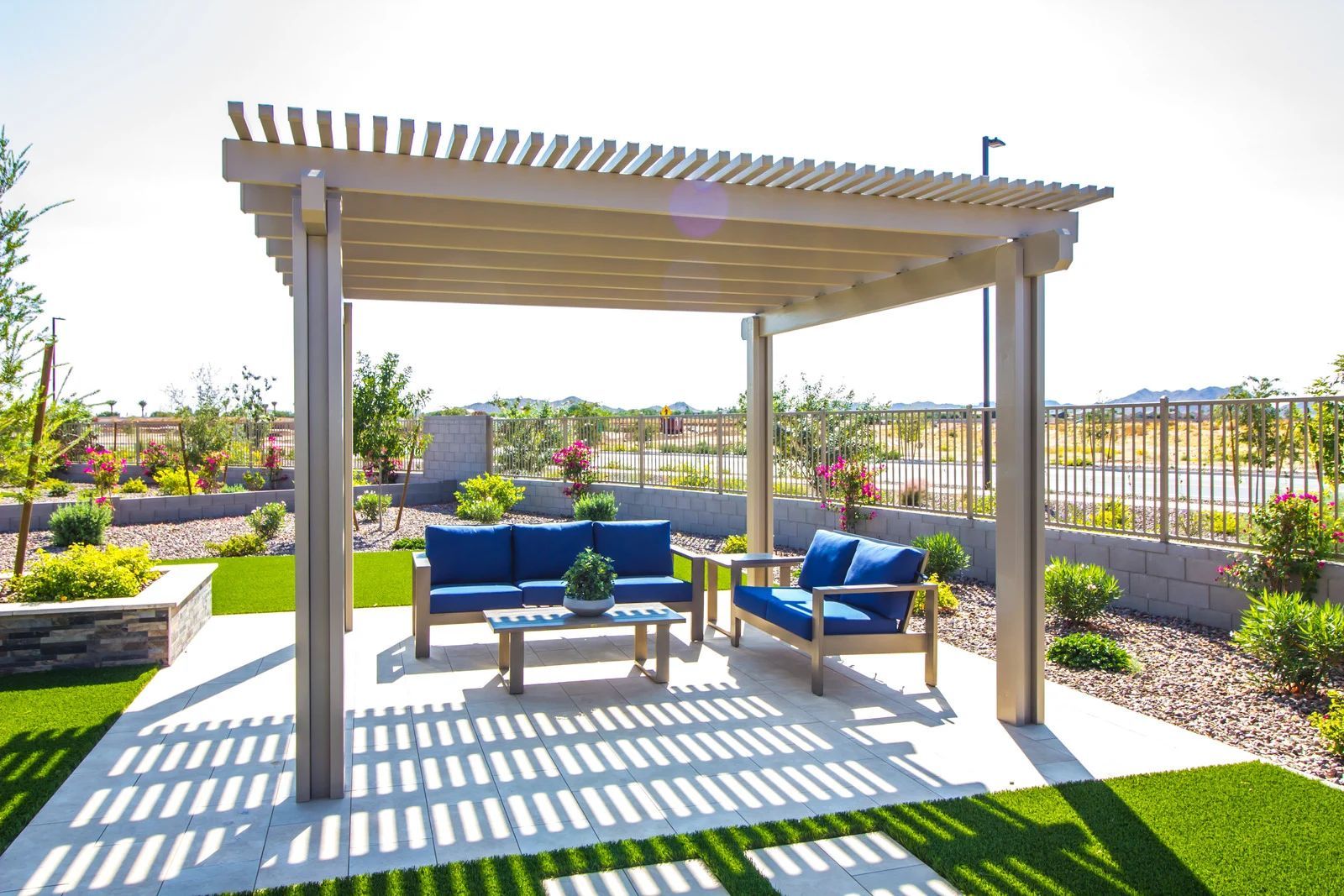
Wood starts losing the battle the moment the sun hits it. Ultraviolet light breaks down the lignin that binds the fibers together, which is why a fresh cedar or pine cover grays, dries, and starts checking along the grain within the first couple of seasons. On covers facing the hot afternoon side, we often see splitting begin in as little as two years when the finish has not been kept up.
Moisture is the second front. Rain and humidity soak into end grain, joints, and the base of posts, and once water sits there long enough the fibers rot from the inside. Post bottoms and beam connections are where we find the worst of it on service calls, often hidden under a coat of stain that still looks fine on the surface.
Then there are the insects. In warm areas with active termite pressure, untreated or poorly sealed wood becomes a target, and the damage usually shows up structurally before it shows up visually. To hold its ground, a wood cover needs cleaning and resealing every two to three years. Keep up with that and it can serve fifteen years or more. Fall behind and the clock speeds up fast.
How Aluminum Patio Covers Age
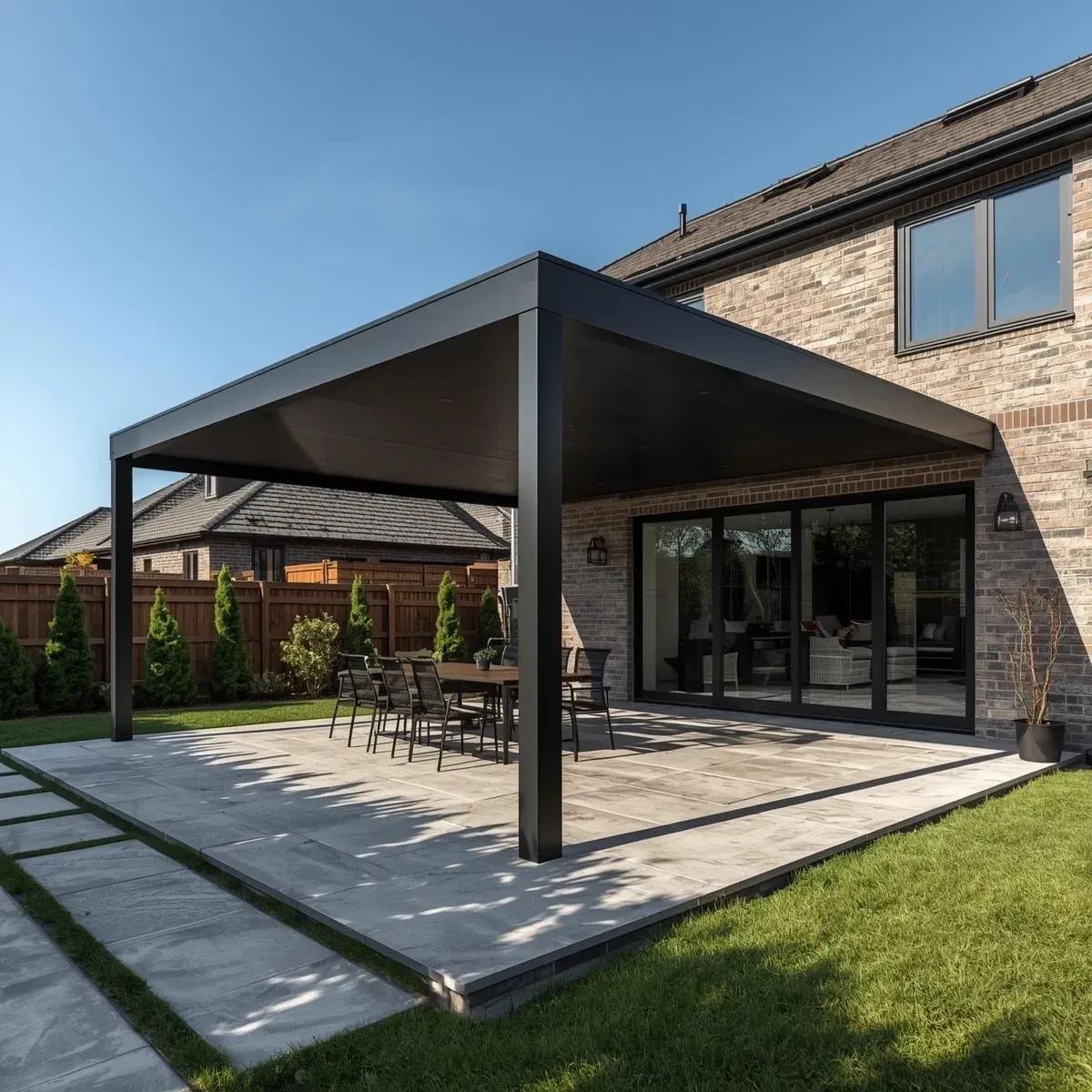
Aluminum ages by mostly refusing to. It does not rot, it does not feed termites, and a quality powder coated finish holds its color through years of direct sun that would bleach wood pale. That single fact removes the maintenance cycle that wears most homeowners down.
The finish is the part that matters most for the long run. A baked on powder coat bonds to the metal and resists fading and chalking far better than any stain you brush onto wood. We routinely inspect aluminum covers that look nearly the same a decade in, with no sanding or sealing in between.
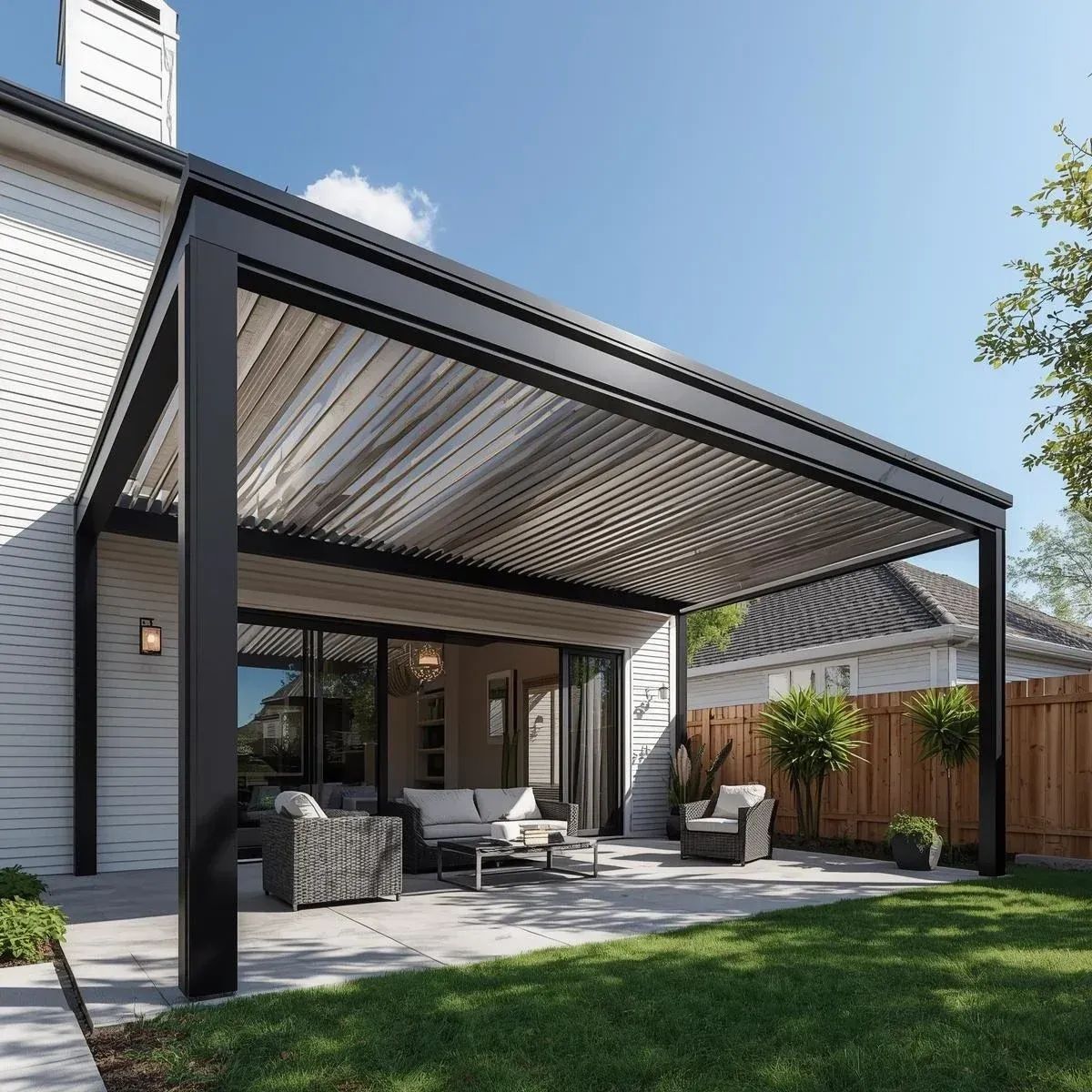
Heat is the fair concern. A bare aluminum panel does warm up in full sun, but insulated panels with a foam core block radiant heat and keep the space below noticeably cooler than an open slab. The metal expands and contracts with temperature swings, which is normal and engineered for in a proper build.
The honest weakness is hail. Heavy stones can dent thinner panels, though the structural beams almost always hold and dented panels can be swapped one at a time. Even with that, an aluminum cover commonly serves several decades with little more than an occasional rinse.
Side by Side Over the Years
When you line up what each material asks of you across a long ownership window, the trade becomes clear.
| Factor | Wood | Aluminum |
|---|---|---|
| Typical lifespan | 15 years or more with diligent care | Several decades with minimal care |
| Upkeep | Clean and reseal every 2 to 3 years | Occasional rinse, no refinishing |
| Heat and sun | Dries, grays, and splits over time | Holds color, insulated options stay cooler |
| Moisture and rot | Vulnerable at joints and post bases | Will not rot |
| Insects | At risk from termites | No appeal to insects |
| Hail | Can crack or split on impact | May dent, panels replace individually |
| Look | Natural grain and warmth | Clean, uniform, modern |
What the Local Climate Does to Each Choice
The local conditions here punish wood harder than the national average, and that is the single biggest reason the value math tilts the way it does. The long cooling season means months of intense sun and triple digit stretches that dry natural wood relentlessly, so the resealing cadence that might be every four years elsewhere is closer to every two here.
Water is the other quiet factor. The hard, mineral heavy water common in this area leaves chalky spotting on any surface it dries on, and on wood those minerals work into the open grain along with the moisture. On aluminum the same water wipes off the powder coat without leaving the structure worse for it.
The ground plays a role too. The expansive clay soil swells when wet and shrinks when dry, and that constant movement works on post footings over the years. We have reset more than a few leaning wood posts where the base rotted right at the soil line after years of that cycling. Add steady termite activity and the occasional violent hailstorm, and a natural wood cover simply has more ways to fail here than it would in a milder, drier place.
So Which One Delivers Better Value
For most homeowners in this climate, aluminum delivers better value over time, mostly because it removes the upkeep that wood demands and the failure modes that local heat, water, and insects create. The covers that look right and work right a decade later, with the least effort from the owner, are overwhelmingly the aluminum ones.
Still, wood is not the wrong answer for everyone. If the natural grain genuinely matters to you, if you want a custom stained look that metal cannot copy, and if you are honest with yourself about keeping up the maintenance, a wood cover can reward you for years.
TIP: Before you choose, look at the orientation of your patio. If your cover will face the hot afternoon sun for most of the day, the maintenance gap between wood and aluminum widens sharply, and that single detail often settles the decision on its own.
Frequently Asked Questions
Does an aluminum patio cover get uncomfortably hot in summer?
The surface warms in direct sun, but insulated aluminum panels block radiant heat far better than a bare slab. The shaded space underneath stays noticeably cooler, and the finish never bakes, cracks, or fades the way exposed wood does over the years.
How often does a wood patio cover need refinishing?
Plan on cleaning and resealing roughly every two to three years, sometimes sooner on the sides facing afternoon sun. Skip it and you invite graying, splitting, and moisture working into the joints, which quietly shortens the whole structure's usable life.
Can aluminum patio covers survive hailstorms?
Heavy hail can dent thinner aluminum panels, though the structural beams almost always hold. Thicker gauge and insulated panels resist dings better. Any dents are cosmetic and replaceable panel by panel, unlike a wood cover that may crack or split outright under impact.
Which material actually lasts longer in our climate?
Aluminum wins on raw lifespan here. With minimal care it commonly serves several decades, since heat, moisture, and termites barely touch it. Wood can match that only with disciplined upkeep, and most owners eventually fall behind on the resealing schedule.
Is a wood patio cover still worth it for the look?
Yes, if the natural grain matters to you and you accept the upkeep that comes with it. Stained cedar reads warmer than metal and suits certain home styles. Just go in knowing the trade is beauty now for steady chores later.
Choose a Patio Cover Partner Homeowners Actually Recommend
The core principle holds across every patio we have built: the material that asks the least attention of you over the years usually delivers the most value, and in a climate this hard on wood, that edge tilts toward aluminum more often than not. Relentless sun, hard water spotting, shifting clay, and termite pressure all wear on a natural wood structure faster here than almost anywhere, which makes upkeep the question that really decides your satisfaction. At Black Rock Patio Covers, we have spent more than 20
years building and servicing both aluminum and wood covers across San Antonio, Texas, and the surrounding communities. If you want a straight read on which material fits your patio, your home, and how you live outdoors, reach out and we will walk through it with you.